16/05 – 31/10/2026
Austrian Sculpture Park

Drawing on the history of the Flor de Maracujá, or passionflower, and its fellow tropical migrant friends, Up/Rooting investigates processes of uprooting and re-rooting through a decolonial lens, tracing the entangled histories of human and plant migrations. Bringing together archival research, personal geographies, participatory practices, and site-responsive art, the project explores relationships between memory, territory, and ecological belonging. It takes the form of a living sculpture—a space where plants’ and personal stories grow together,…out of the “ruins of modernity”.
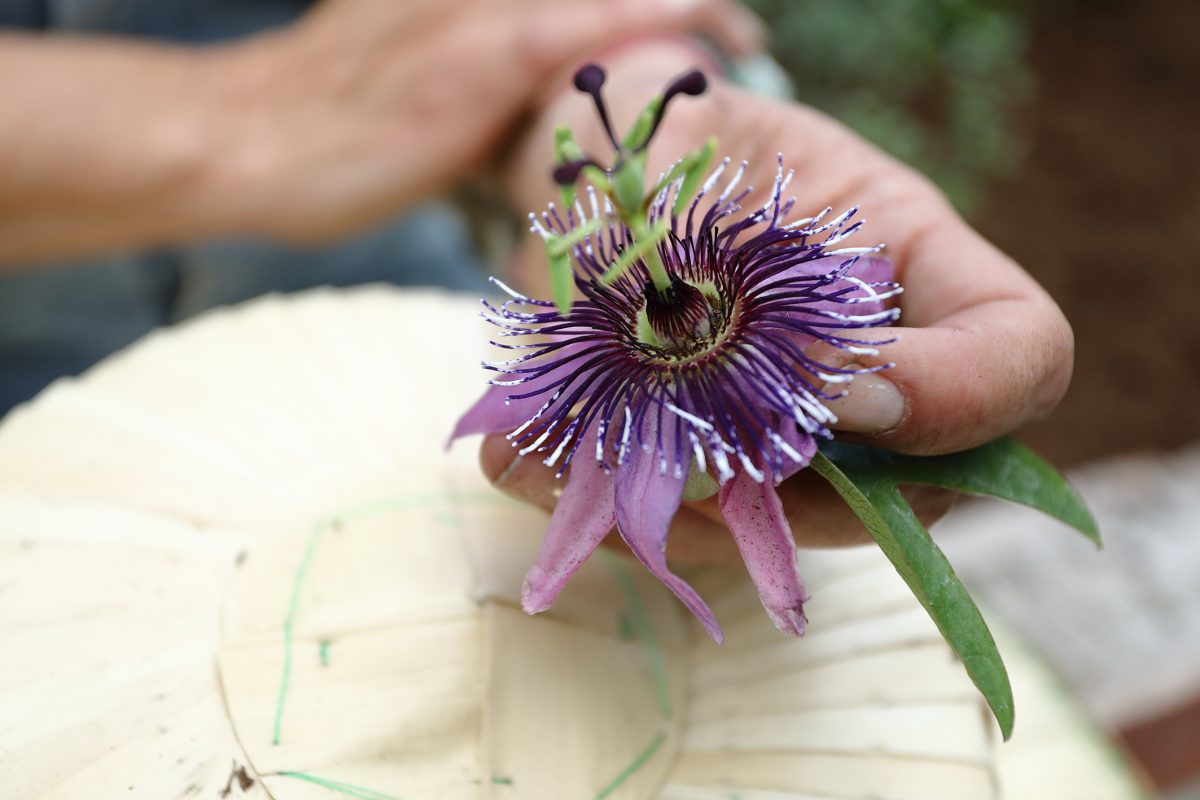
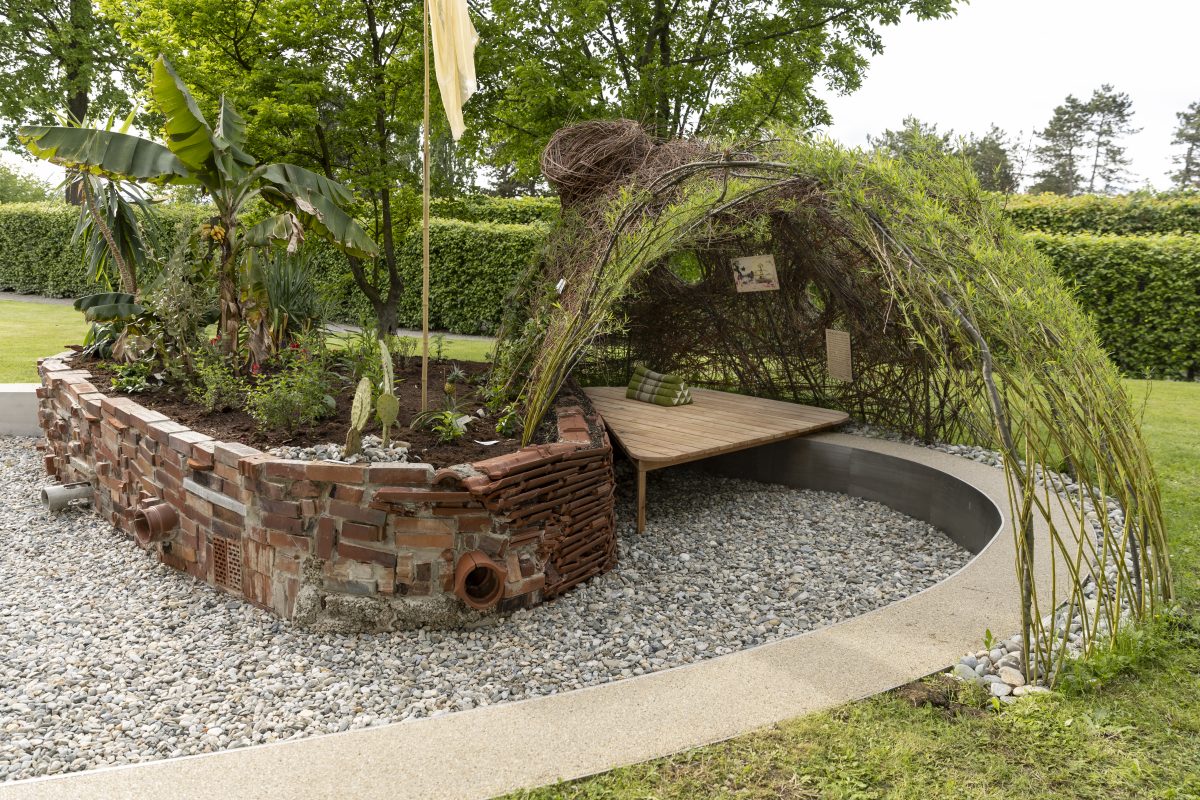

Conceived as a living art laboratory and healing garden, Up/Rooting proposes an engagement with migrant plants as teachers and companions. It reimagines relationships between humans, plants, and place, cultivating ecological care, historical reflection, and more-than-human forms of kinship.
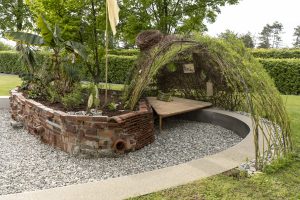
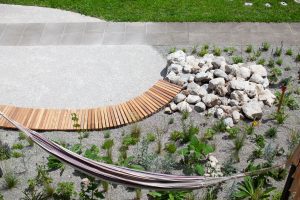
The garden invites visitors to linger around and beneath the willow dome and eventually become enchanted by the soothing qualities of the passiflora as it climbs and flowers across the structure, sheltering the Passion’s Bed below.
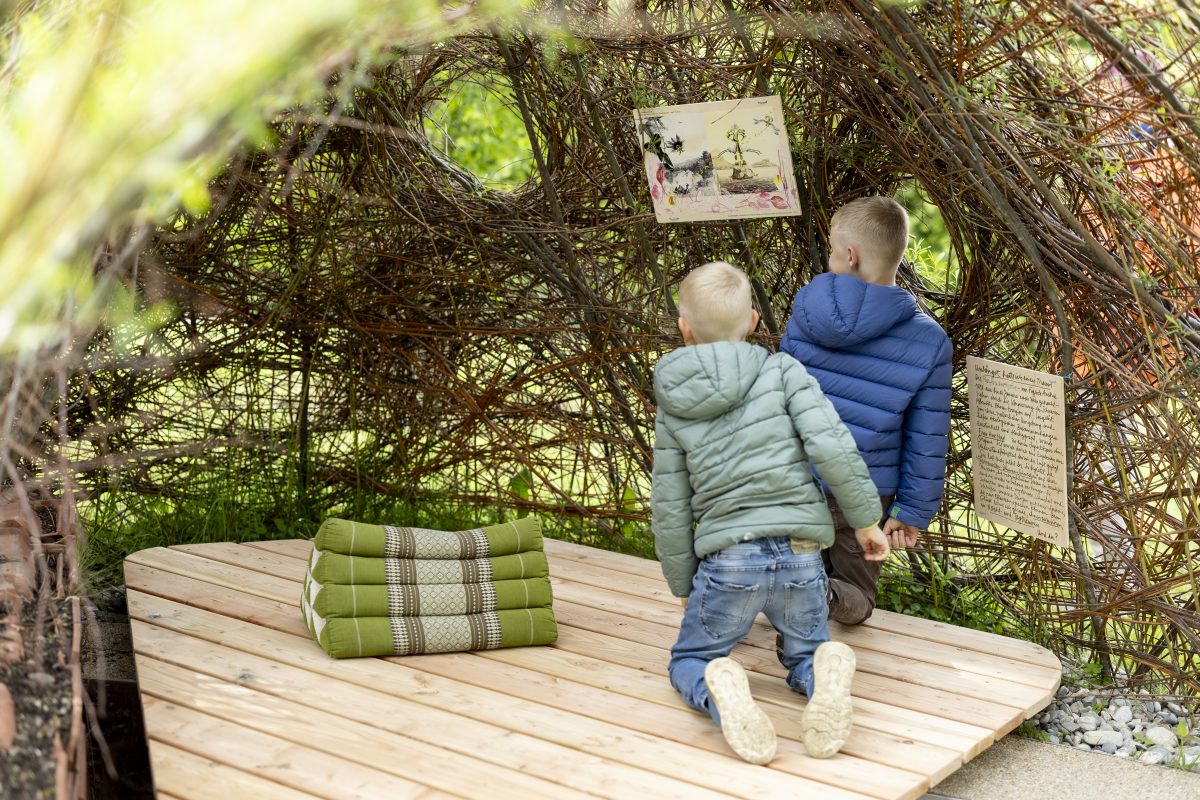
The Passiflora was chosen among various plants whose journey from South America to Europe was recorded by the Austrian scientific expedition to Brazil, undertaken in the context of the marriage of Leopoldine von Habsburg and Dom Pedro in 1817 – thus revealing Austria’s involvement in colonial networks of extraction, collection, and knowledge production. Rather than a passive botanical specimen, Passiflora is approached as a living agent that tell stories of adaptation, resilience, and transformation.
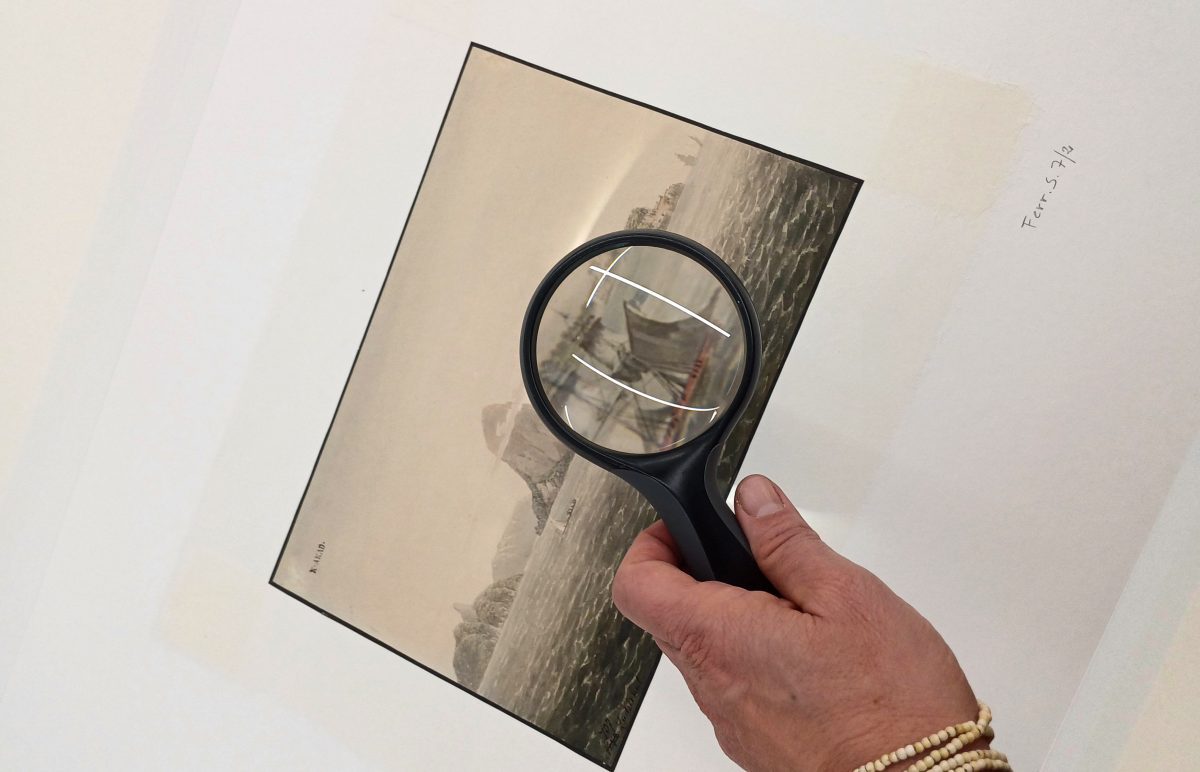
Fragatta Austria in the entrance of the Guanabara Bay and the Sugar loaf .
Aquarell by Thomas Ender. 1817. Kupferstichkabinnet, Wien.
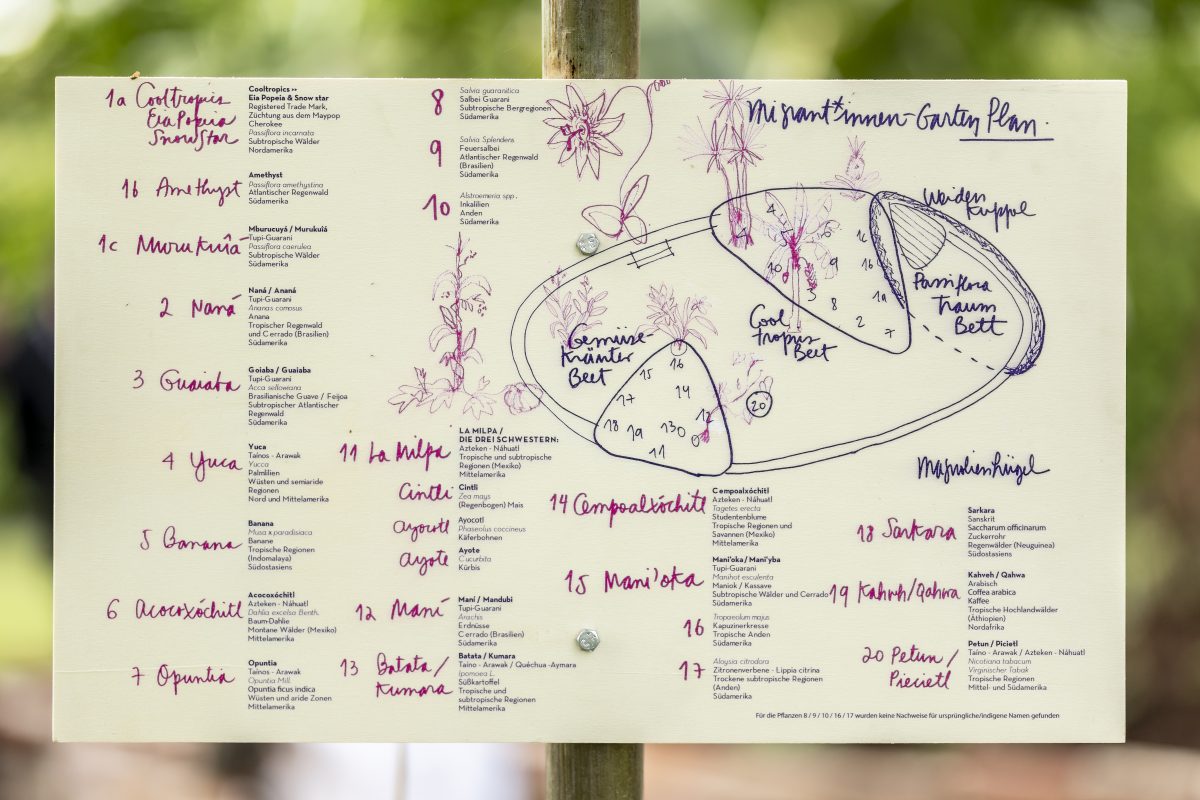
The Garden Plan
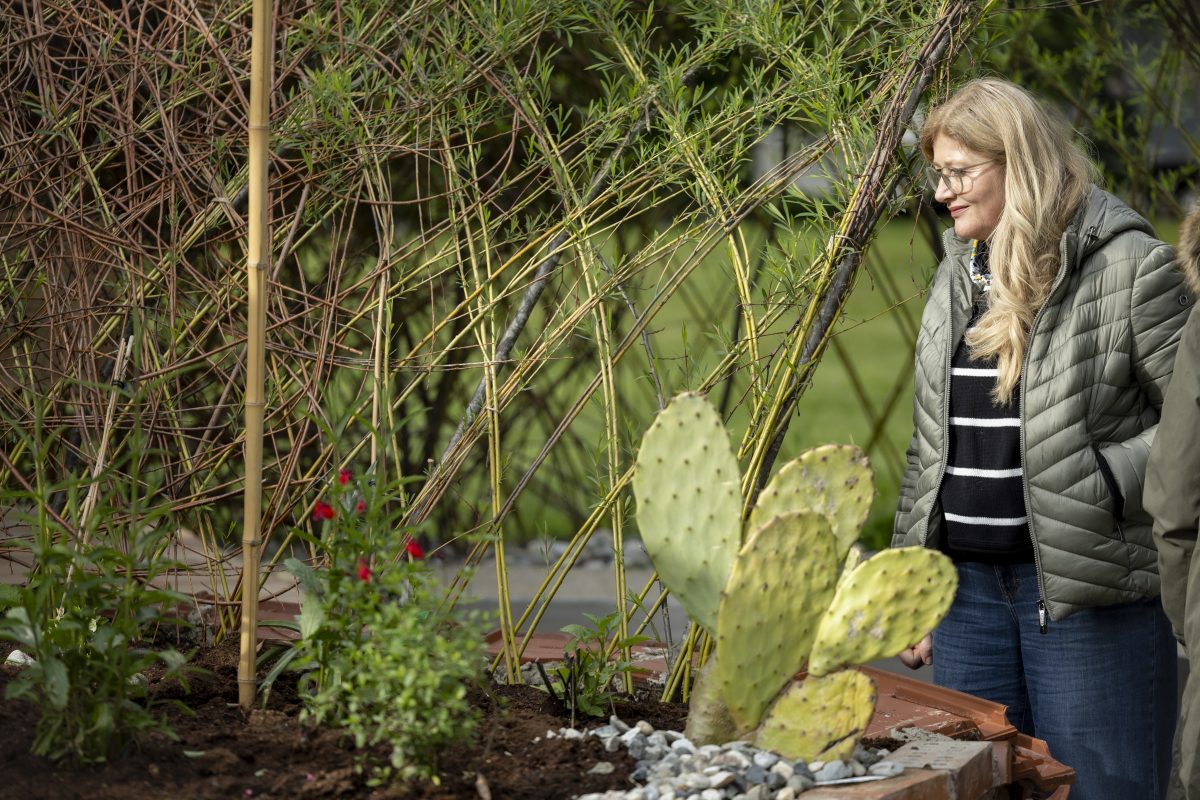
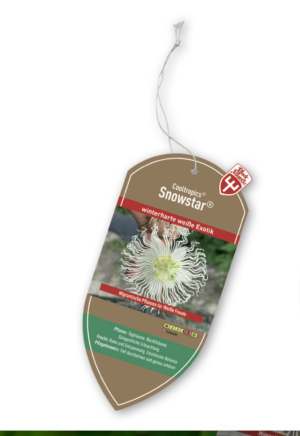
The Cool Tropics bed hosts winter-hardy tropical and subtropical species, including the white-flowering Passiflora ‘Snow Star’. As a commercially bred cultivar, selected for ornamental value and market appeal, it raises critical questions about plant breeding, commodification, and “whitening fantasies” within botanical diversity. An altered plant label becomes the project Leitmotif, adding the text “migrant plants for white delight” to the advertisement. This aims to redirect attention to the painful history of slavery and the Black Atlantic, foregrounding plantation economies, forced labor, and forced migrations. In this way, the work connects contemporary gardening practices to the enduring legacies of colonial extraction and racialized histories embedded within botanical culture.
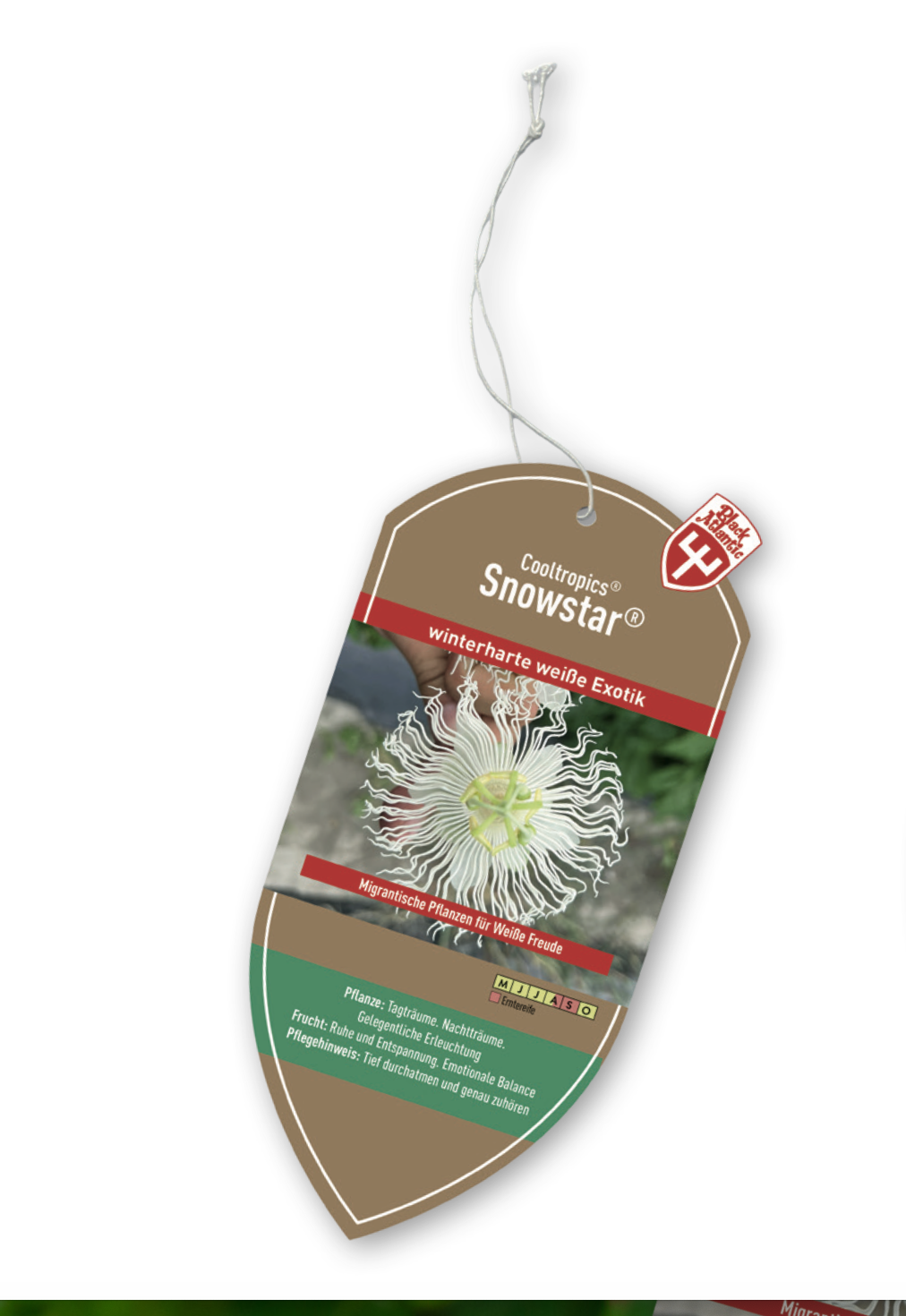
Artist’s collage over Lubera plant label (Coll tropics – Snow Star registered trademark)
The seasonal vegetable bed brings together crops entangled with plantation economies—such as sugar cane, tobacco, and coffee—alongside maize, squash, and beans, plants cultivated together for millennia by Indigenous peoples of Abya Yala and later integrated into European agriculture, including Styrian food traditions. As a form of recognition and reparation, the plants are labeled with one of their Indigenous names alongside their Linnaean scientific nomenclature, honoring the knowledge systems, cultivation practices, and cultural histories that long predate colonial classification.
CREDITS
Fotos:
Universalmuseum Joanneum/J.J. Kucek
Nikola Milatovic
Daniela Brasil
commissioned by Austrian Sculpture Park
curated by Gabriele Mackert
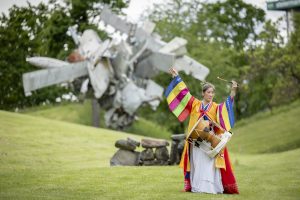
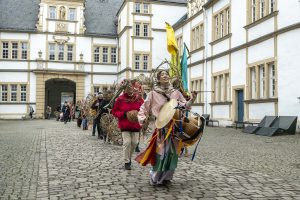
see the opening performance La Siesta here
With the kind support of:
Botanical Garden Graz , Natur.Werk.Stadt Graz, Sonnenerde, Juanitas Nähbox
Team:
Ousman Bah, Ibrahim Bdran, Nayara Brandstätter, Markus Handofsky, Bernt Preisegger, Peter Painer and the lovely gardeners Zelko & Tina
Heartfelt thanks to:
The lovely Team ** especially Ousman Bah, helping me – always!
Christian Berg, Jonathan Wilfling, Sarah Bürli – Botanical Garden Graz
Daniela Zeschko and Milijana Kozarevic – Natur.Werk.Stadt Graz
Angela & Peter Painer – Gartenparadies Painer
Bernhard Strohmayr – Philemons Garten
René Schober – Kupferstichkabinett, Akademie der bildenden Künste Wien